Plan and apply sequence
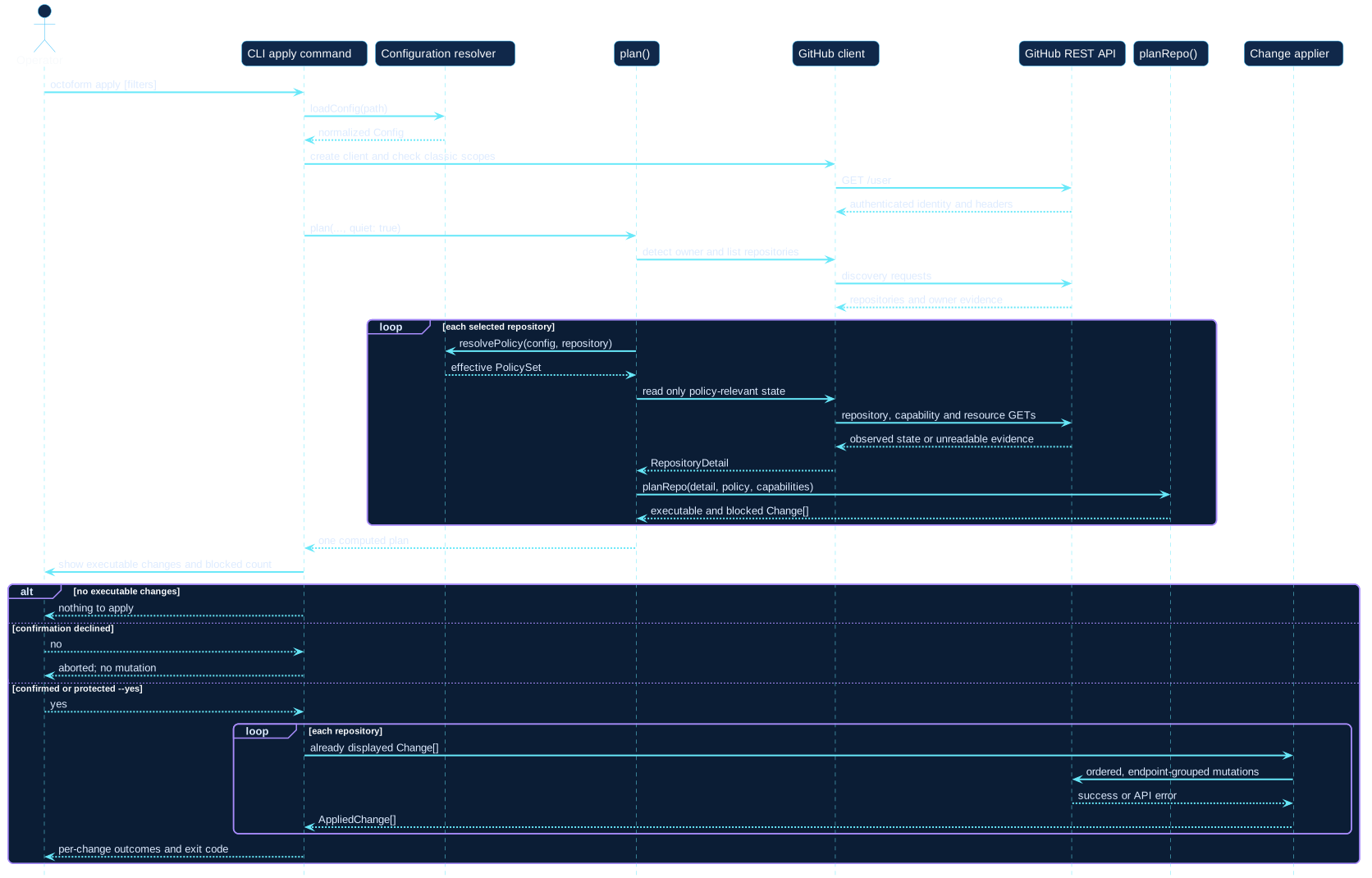
The sequence view follows one apply invocation. It shows that the command
calls the shared planning implementation once and retains its result for
confirmation and execution.
Consistency boundary
The displayed plan and attempted changes share one in-memory Change[].
Blocked entries are retained for reporting and filtered before the applier.
Declining confirmation terminates the invocation without writes.
octoform plan followed by a separate octoform apply means two observations
and two plans, which is the right shape interactively and the wrong one across
a job boundary. To close that gap, plan --out writes the reviewed plan and
apply --plan performs exactly it.
Saved plan verification
Every claim a saved plan makes is re-checked before anything is touched, and each failure is a distinct named reason rather than a single generic "stale plan" — the operator needs to know which check failed to decide whether to re-plan or investigate.
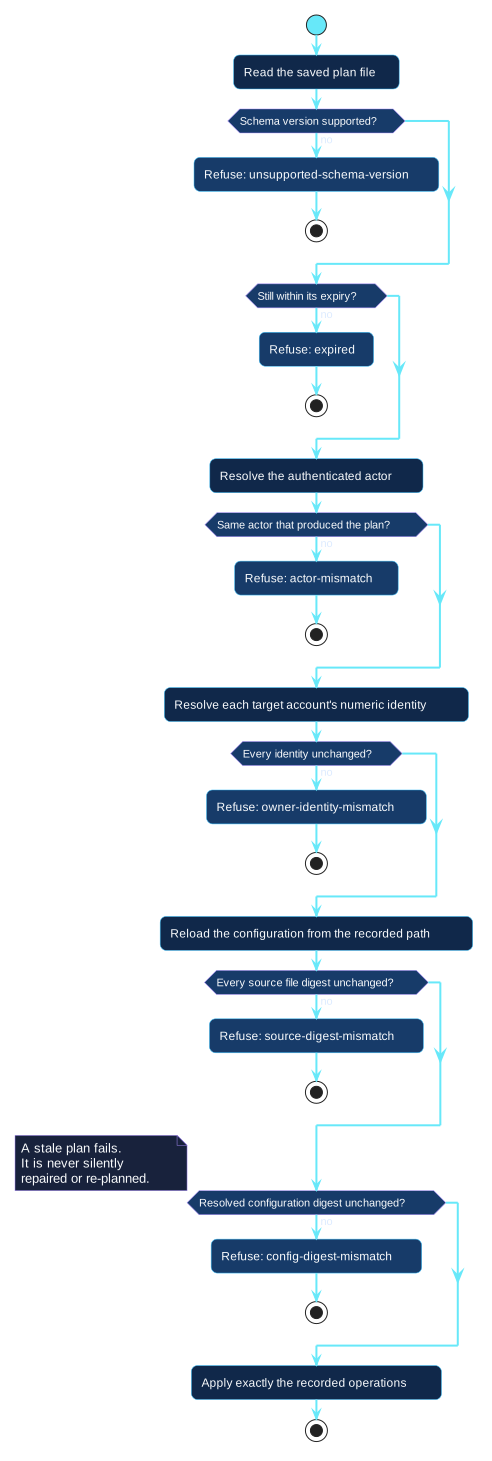
The checks run in that order deliberately: the cheap, offline ones fail first, so an expired plan never spends a request. Verification performs no requests of its own beyond resolving the actor and each account's identity, which the caller gathers once.
The artifact's trust boundary is the filesystem's. Its digests detect a plan that no longer matches the world it was made in — a changed configuration, a renamed account, a different token — not an attacker who can rewrite files in the workspace. It is neither signed nor encrypted, and does not claim to be.
Failure boundary
The applier orders and groups endpoint-compatible changes. One group failure does not stop unrelated groups, and no distributed transaction rolls successful groups back. A fresh plan is the source of truth after partial failure.
Use the plan and apply guide for the operator procedure and command reference for exact exit behavior.