State models
Two state machines separate configuration processing from the lifecycle of an individual desired-state difference.
Configuration lifecycle
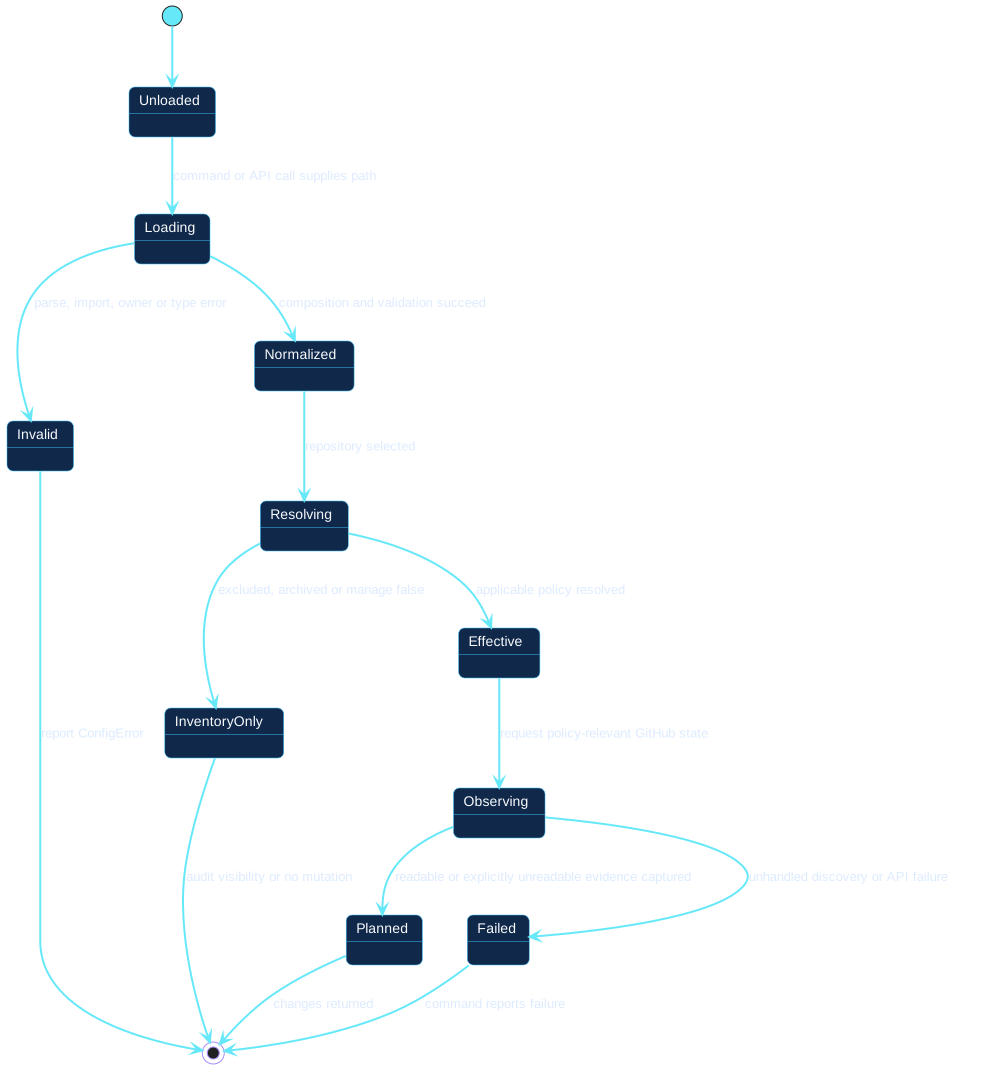
A configuration becomes normalized only after composition and validation. Resolution repeats for each repository. Inventory-only paths retain intentional visibility without entering mutation planning. Observation can preserve an explicit unreadable value inside a valid plan; only unhandled discovery or API failure moves the operation to the failed state.
Change lifecycle
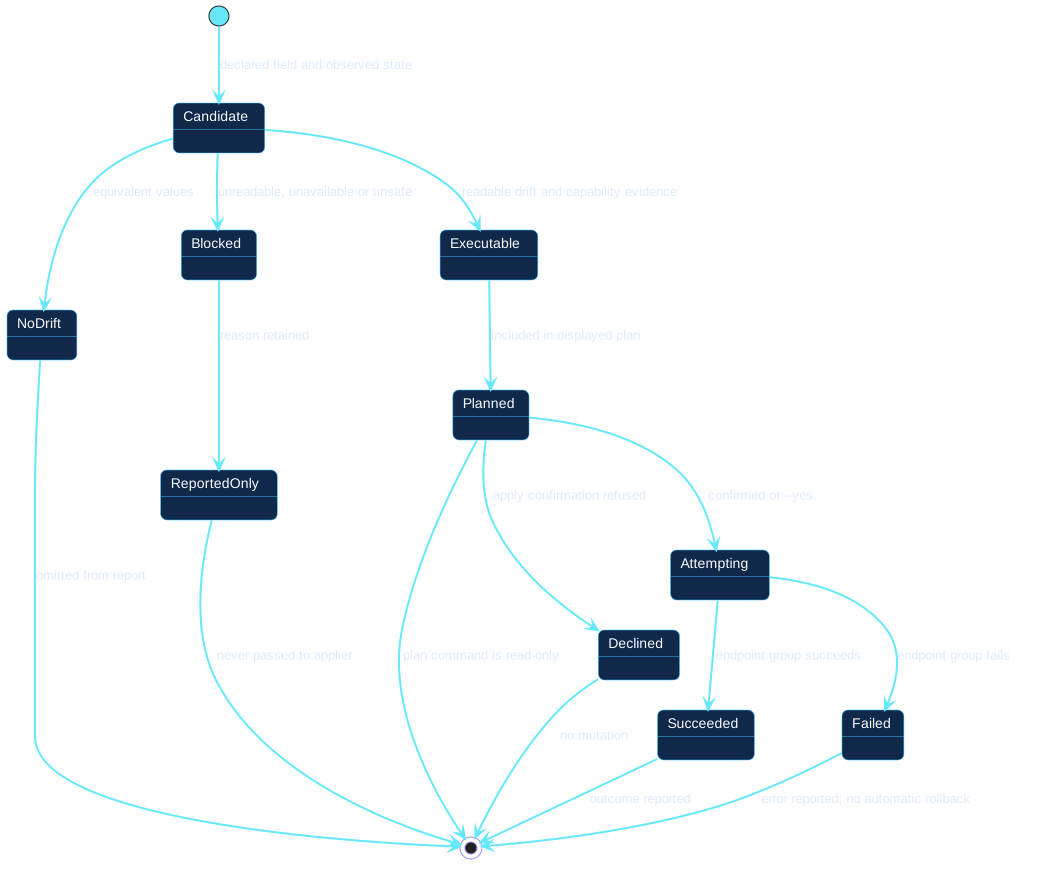
A candidate becomes executable only when current state is readable, drift exists, and capability evidence supports the operation. Blocked changes end as reported-only evidence. Executable changes can end after read-only planning, after declined confirmation, or after a reported success or failure.
No transition exists from blocked directly to attempting. The cause must change, and a new invocation must observe and plan again.